A Chessboard in the Desert: Can Iran Nuclear Negotiations Resume Under Trump's Second Term?
Iran-US relations are once again in turmoil since the launch of the second Trump administration. Between a maximum pressure strategy and diplomatic reopening, where is the Middle East heading?
The Negotiating Table Is Empty, and the Centrifuges Keep Spinning
Spring 2026, and the Middle Eastern air remains heated. This is the region where guns fire and diplomats whisper in back rooms. At the center of it all, the old chessboard of the Iranian nuclear issue has been laid out once again. The pieces have been flipped multiple times and the players have changed, but the game is not over.
How Did We Get Here: The Life and Death of the Deal
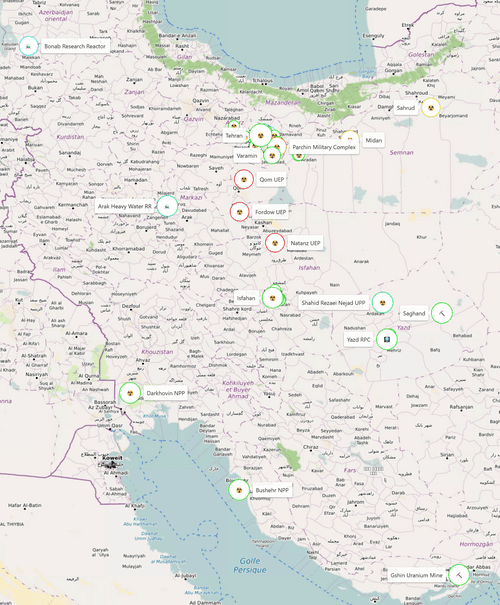
The Iran nuclear deal (JCPOA), carefully crafted by the Obama administration in 2015, was a historic compromise that limited Iran's nuclear enrichment in exchange for easing international sanctions. However, the first Trump administration unilaterally withdrew from the agreement in 2018 and declared a "Maximum Pressure" policy. The Biden administration attempted a return but negotiations ultimately collapsed, and in the meantime, Iran's uranium enrichment purity surpassed 60%. The 90% required for weapons-grade material is technically not far away.
Trump's Second Term: Pressure or Deal?
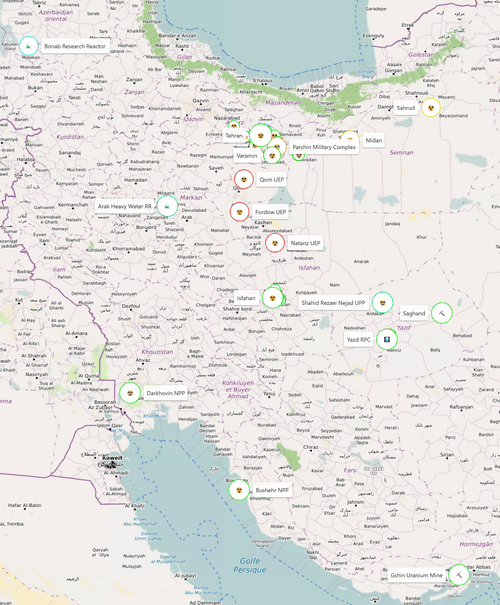
The Trump administration, which returned to power in 2025, has once again pulled out the maximum pressure card. Blocking Iranian oil exports, additional sanctions on Revolutionary Guard-related institutions, and strengthening regional alliances are all proceeding simultaneously. Ironically, Trump has always called himself "a master of the deal." Indeed, reports began emerging in late 2025 of quiet indirect contacts with Oman serving as mediator.
Iran's internal landscape is also far from unified. With hardline conservatives controlling parliament, pragmatic diplomats have little room to maneuver. Yet the near-economic collapse of the rial's value and youth unemployment are exerting quiet pressure on the system. The bazaar merchants of Tehran want exchange rate stability more than nuclear centrifuges.

Why This Issue Is Relevant Beyond the Region
The Iran nuclear crisis is not a distant story. A significant portion of oil imports passes through the Strait of Hormuz. Every time Iran threatens to blockade the strait, international oil prices have fluctuated, and the ripple effects have directly hit consumers at gas stations. Additionally, billions of dollars in frozen Iranian oil revenues held by foreign companies cannot be recovered without sanctions relief.
Films and Dramas About the Middle East
The Iran-US tension has been consistently portrayed on screen. "Argo" (2012), directed by and starring Ben Affleck, dramatizes the true story of a CIA agent who, disguised as a Hollywood film crew, extracted American diplomats during the 1979 Iranian Revolution hostage crisis. Given that the roots of today's negotiation deadlock lie in that very revolution, the historical context overlaps. However, the film has also been criticized for its somewhat simplistic portrayal of Iranian characters.
The Israeli drama "Tehran" (2020) follows a Mossad operative targeting Iranian nuclear facilities, vividly conveying the tension of modern espionage where cyber warfare and human intelligence (HUMINT) intertwine. Though fiction, it fairly accurately reflects the grammar of the real Israel-Iran shadow war. The documentary "The Iran Job" (2013) captures not nuclear politics but the daily lives of ordinary Iranian youth, showing the faces of people living under sanctions.
The Next Move on the Chessboard
If negotiations resume, the Middle Eastern landscape will shift significantly. Saudi Arabia and Israel are wary of Iran's return, while Russia and China seek to counter the Western-led negotiation framework. Everyone is trying to read their opponent's next move. And in between, Iran's centrifuges continue spinning without pause. Which clock is faster — diplomacy's or the nuclear program's? That is the real question of this chess game.
Get new posts by email ✉️
We'll notify you when new posts are published