Ruby Bridges After 1960 — The Life That Followed the Famous Walk
What happened to Ruby Bridges after that iconic walk to school? From travel agent to civil rights icon to White House guest — here is the full story of the 72 years that followed.
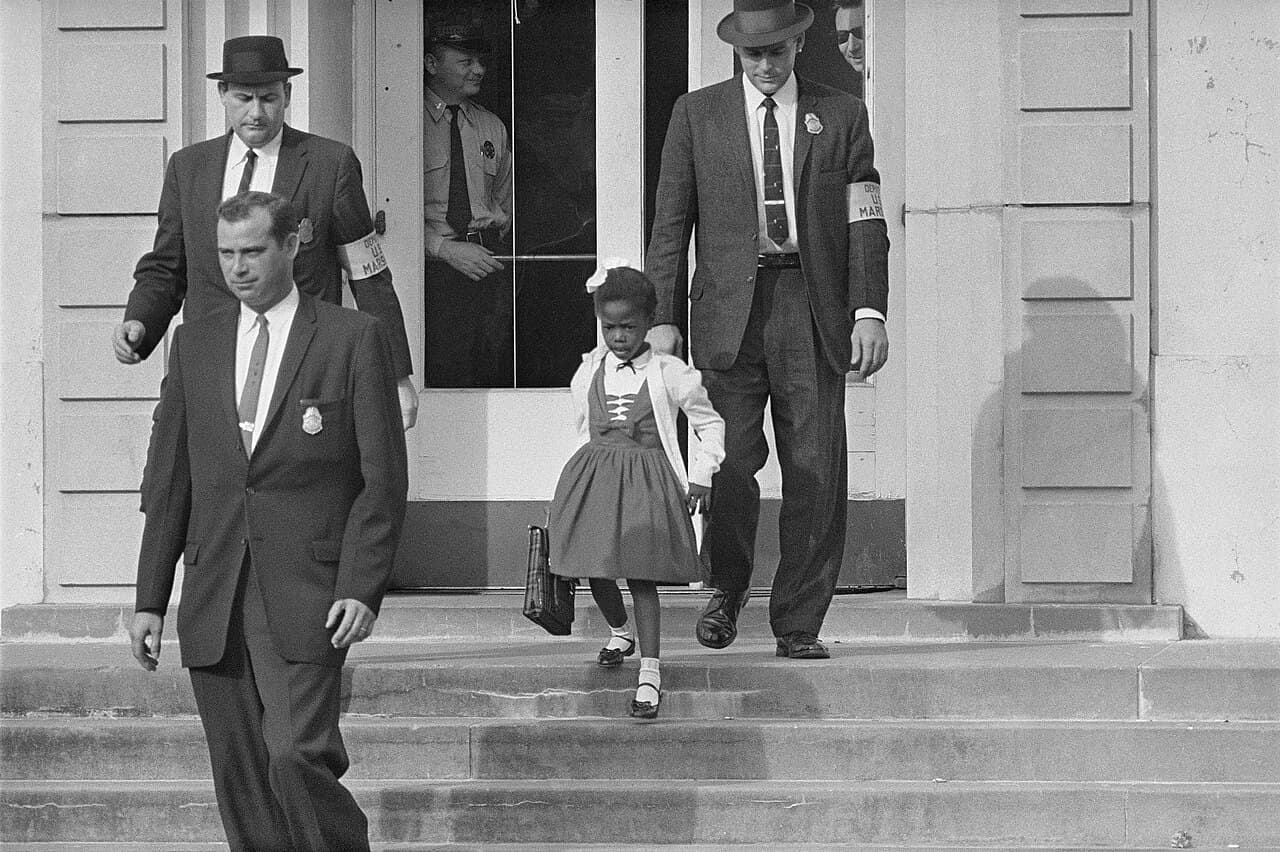
On November 14, 1960, six-year-old Ruby Bridges walked into an all-white school in New Orleans, escorted by four federal marshals. That walk became a Norman Rockwell painting. It became a symbol of the American civil rights movement. It became a moment taught in classrooms across the world.
But what happened next? What kind of life did Ruby Bridges actually live?
The Children Came Back (1961–1968)
The year after Ruby's famous walk, things at William Frantz Elementary School slowly began to change. The protests died down. White families, one by one, started sending their children back.
Ruby was no longer alone.
By the end of second grade, the federal marshals were gone. Ruby walked to school by herself, like any other child. The angry crowds had disappeared. The empty classroom was full again.
She went on to graduate from Francis T. Nicholls Senior High School — without cameras, without escorts, without the eyes of the nation on her. Just a teenager, finishing school.
An Ordinary Life — Travel Agent, Wife, Mother (1970s–1990s)
After graduation, Ruby Bridges took a job as a travel agent. She did that work for fifteen years. She didn't advertise her history. She didn't give speeches or seek recognition.
She married Malcolm Hall and raised four sons in New Orleans. While millions of American schoolchildren were learning her name from textbooks, Ruby herself was living a quiet, ordinary life — not so different from her neighbors.
Then, in 1993, tragedy arrived.
Her younger brother Milton was shot and killed in a drug-related incident. Ruby did not hesitate. She took in Milton's four children and raised them alongside her own four sons. Eight children. She didn't flinch.
A Reunion Thirty-Five Years Later (1995)
In 1995, a documentary film crew tracked Ruby down and brought her news.
Barbara Henry — the teacher who had spent an entire year teaching Ruby alone in an empty classroom — was still alive. And reachable.
Thirty-five years had passed since Ruby last saw her. She had been six years old.
They met again. The moment they saw each other, they held on and cried.
Barbara said:
"Ruby, do you know that you changed this country? You were six years old."
That reunion changed everything for Ruby. She realized her story wasn't just history — it was a message that still needed to be heard.
The Ruby Bridges Foundation (1999)
In 1999, Ruby established the Ruby Bridges Foundation, dedicated to racial reconciliation, educational equality, and the psychological safety of children in schools.
That same year, she published her childhood memoir Through My Eyes — a children's book about the events of 1960. It became required reading in elementary schools across America and has sold hundreds of thousands of copies.
Ruby began visiting schools across the country. Talking to children. Speaking to adults. Walking paths she once had to walk alone, now surrounded by the very future she helped create.
The Presidential Citizens Medal (2001)
In 2001, President Bill Clinton awarded Ruby Bridges the Presidential Citizens Medal — the second-highest civilian honor in the United States.
The woman who had spent fifteen years as a travel agent was now receiving medals from presidents.
Standing in the White House with Obama (2011)
In 2011, President Barack Obama had Norman Rockwell's painting The Problem We All Live With hung in the West Wing of the White House.
Then he invited Ruby Bridges to come see it.
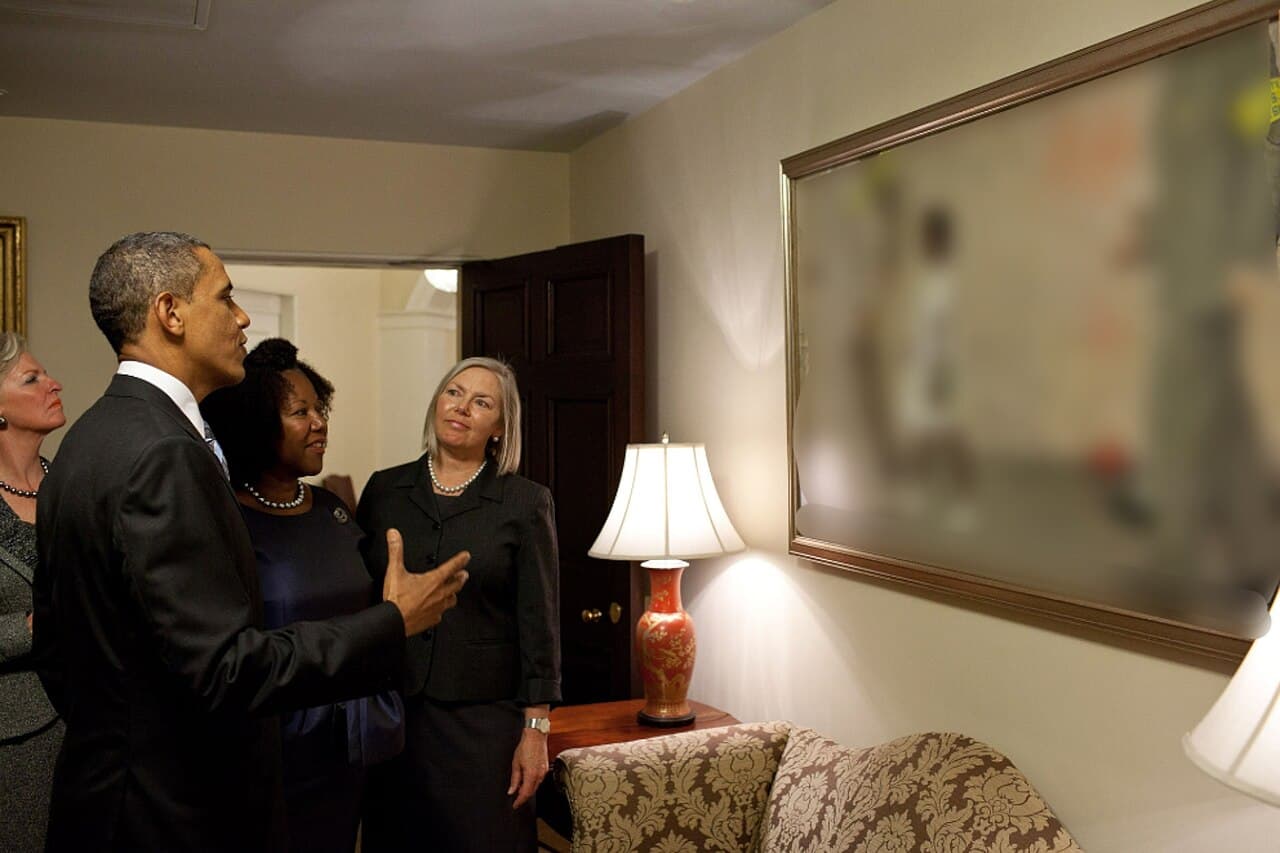
The little girl who had once walked up school steps surrounded by marshals now stood in the White House beside America's first Black president, looking at a painting of herself.
Obama told her:
"Without you, I wouldn't be here."
Ruby later described the moment:
"Standing in that room, looking at that painting — it was the first time I truly understood what I had done that day."
Back in the Streets After George Floyd (2020)
In May 2020, George Floyd was killed under a police officer's knee in Minneapolis. America erupted.
Ruby Bridges, then 66 years old, took to the streets.
"Sixty years later and we are still having this conversation. Some things have changed. Some things have not. We have to keep fighting."
Ruby Bridges Today
At 72, Ruby Bridges is still working.
She visits schools, speaks at universities, and stays connected with younger generations through social media. She and Barbara Henry remain close friends. The Ruby Bridges Foundation continues its work across the country.
The message she gives children has never changed in sixty years:
"Racism is a grown-up disease. And babies are not born with it. What is learned can be unlearned."
The six-year-old girl who once had to walk alone now teaches millions of people how to walk together.
Ruby Bridges' first step was taken in 1960. It hasn't stopped since.
Get new posts by email ✉️
We'll notify you when new posts are published