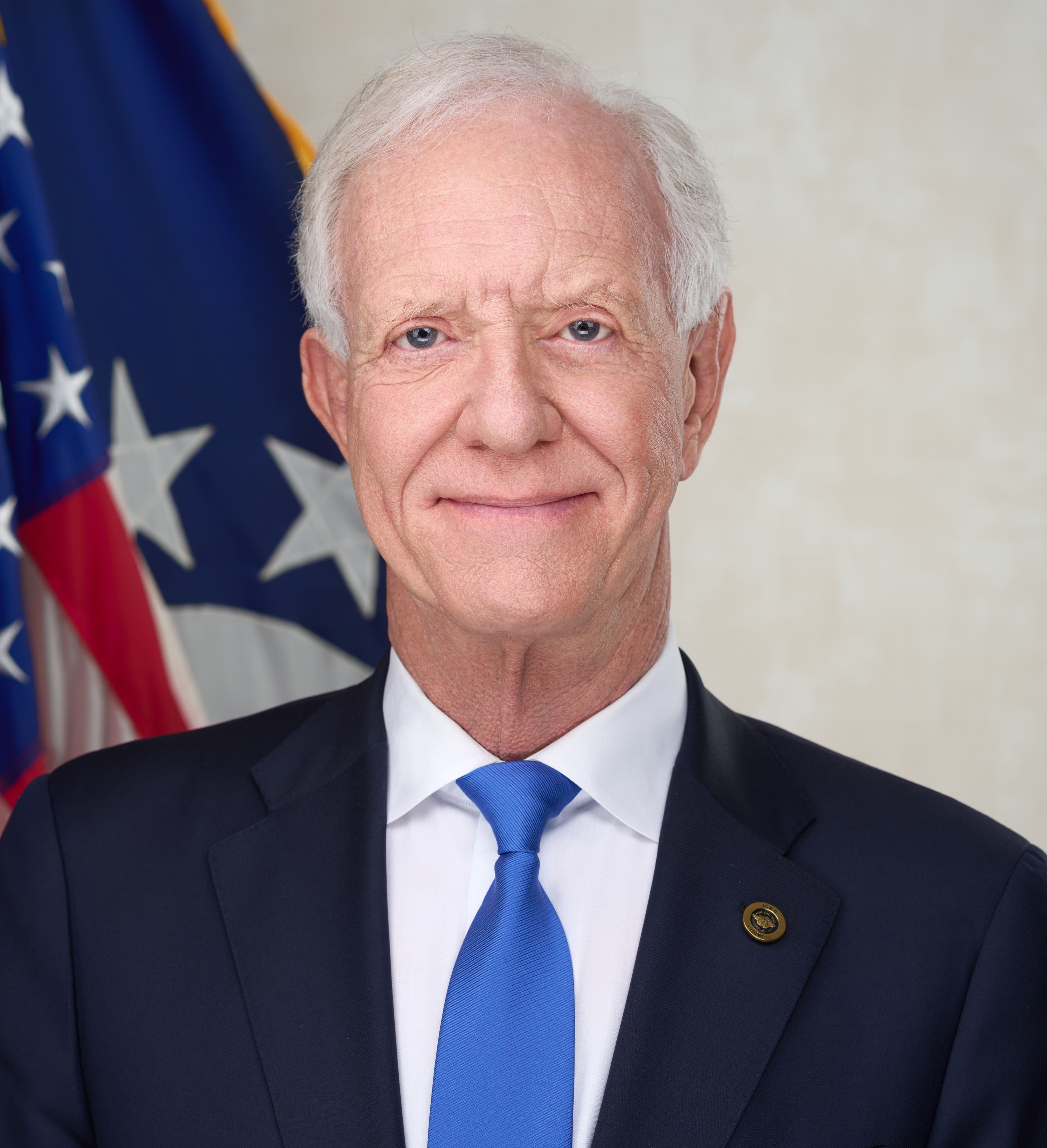
Everyone Survived — Captain Chesley Sullenberger and the Miracle on the Hudson
On January 15, 2009, Captain Chesley 'Sully' Sullenberger safely ditched US Airways Flight 1549 on the frigid Hudson River after both engines were destroyed by a bird strike, saving all 155 people on board. His calm decision-making in just 208 seconds—and his refusal to leave the sinking plane until he had walked the cabin twice—made him an enduring American hero.
A Routine Thursday Afternoon — Until It Wasn't
On January 15, 2009, US Airways Flight 1549 pushed back from Gate B17 at New York's LaGuardia Airport, bound for Charlotte, North Carolina. The Airbus A320 carried 150 passengers and five crew members — 155 souls in all. In the captain's seat was Chesley Burnett "Sully" Sullenberger III, a 57-year-old Air Force veteran turned commercial pilot with more than 19,000 flight hours across a career spanning 42 years.
Takeoff was at 3:25 p.m. The winter sky was cold but clear, and nothing hinted at what was about to unfold. Normalcy shattered in exactly two minutes.
Two Minutes After Takeoff: Both Engines Go Silent
At 3:27 p.m., cruising through roughly 2,800 feet, a large flock of Canada geese appeared directly in the jet's path. The birds were ingested by both CFM56 engines almost simultaneously. Within seconds, both power plants flamed out. The cockpit went eerily quiet — the steady roar of the turbines replaced by the whistle of wind over the fuselage.
A dual-engine failure from a bird strike on a commercial airliner was virtually unprecedented. Sullenberger immediately keyed his radio:
"Mayday, mayday, mayday. This is Cactus 1549. We've lost thrust in both engines. We're turning back towards LaGuardia."
Air traffic controller Patrick Harten cleared Runway 13 at LaGuardia and then offered Teterboro Airport in New Jersey as an alternate. Time, altitude, and physics were all working against the crew.
208 Seconds of Decision-Making
Sullenberger ran the calculations in his head — altitude, airspeed, glide ratio, the dense urban landscape of Manhattan, the Bronx, and northern New Jersey below. Returning to LaGuardia was not feasible; there was not enough altitude or energy. Teterboro was similarly out of reach. If an 80-ton glider fell short and struck a populated area, the catastrophe would extend far beyond the 155 people aboard.
He keyed the radio one last time:
"We can't do it. We're gonna be in the Hudson."
Controller Harten later described the moment: "I felt my heart sink to the floor." A water landing — known as a "ditching" — is among the most perilous maneuvers in aviation. Historically, most ditching attempts on large commercial aircraft have ended in breakup on impact.
"Brace for Impact"
While Sullenberger aimed the aircraft at the Hudson River just south of the George Washington Bridge, he made a single cabin announcement — calm, direct, and devastatingly brief:
"This is the captain. Brace for impact."
First Officer Jeffrey Skiles, who had been flying the leg, handed control to Sullenberger and devoted himself to the engine restart checklist, working through every step even as the river rushed up to meet them. Neither man wasted a word.
At 3:31 p.m. — just 208 seconds after takeoff — the belly of Flight 1549 kissed the surface of the Hudson River. Sullenberger held the wings perfectly level and the nose slightly up. The aircraft skimmed across the water and came to rest intact. Aviation analysts would later call the ditching "textbook." A fraction of a degree off in pitch, roll, or yaw, and the fuselage would have cartwheeled and broken apart.
Last One Off the Plane
January water temperatures in the Hudson hovered around 36 °F (2 °C). Passengers scrambled onto the wings and inflatable slides as the cabin began to flood. New York Waterway ferries, Coast Guard vessels, and NYPD and FDNY boats converged on the scene within minutes — a spontaneous maritime rescue that New Yorkers would later call their finest moment since 9/11.
Captain Sullenberger was the last person to leave the aircraft. He walked the length of the cabin twice, checking every seat and overhead bin, making absolutely certain no one remained.
When reporters later asked why he checked twice, he answered simply:
"If anyone had still been on that plane, I would not have come out."
155 Survivors: The "Miracle on the Hudson"
Every single person aboard Flight 1549 survived. There were no life-threatening injuries. The media swiftly dubbed the event the "Miracle on the Hudson," and the story dominated headlines worldwide. Five days before Barack Obama's inauguration, the president-elect offered his own tribute:
"We all want to thank Captain Sullenberger and the entire crew for their heroic efforts."
Sullenberger received the Key to the City of New York, the Master's Medal of the Guild of Air Pilots and Air Navigators, and a standing ovation at the Super Bowl. Congress honored the crew, and the recovered aircraft now resides at the Carolinas Aviation Museum in Charlotte.
The Hero's Humility
Despite the accolades, Sullenberger consistently deflected praise. He credited First Officer Skiles, flight attendants Doreen Welsh, Sheila Dail, and Donna Dent, the ferry captains who arrived in minutes, and the Red Cross volunteers who wrapped survivors in blankets.
"Everything that happened on that day was the result of many people doing their jobs well. It was not about me alone."
In the years that followed, Sullenberger became a prominent advocate for aviation safety, pilot training, and the irreplaceable value of human experience in the cockpit. He testified before Congress, wrote the bestselling memoir Highest Duty, and served as a CBS News aviation and safety expert. In 2016, director Clint Eastwood adapted the story into the film Sully, starring Tom Hanks, which brought the tale to a new global audience.
What 208 Seconds Taught the World
Statistically, the survival of all 155 people was extraordinary. But the miracle was not supernatural — it was built on decades of disciplined practice, thousands of hours of training, and an unwavering sense of duty. Sullenberger once reflected:
"For 42 years, I had been making small, regular deposits of education, training, and experience. On January 15, the balance was sufficient so that I could make a very large withdrawal."
His story reminds us that heroism is rarely a sudden bolt of inspiration. More often, it is the quiet accumulation of competence, character, and an absolute commitment to the people who depend on you. In 208 seconds, one man's lifetime of preparation met a moment of crisis — and 155 lives were saved.
We often imagine heroes as extraordinary beings. Captain Sullenberger showed us something more powerful: that doing your job with excellence, every single day, can become the most extraordinary act of all when the moment demands it.
Date: January 15, 2009 | Location: Hudson River, New York City, USA | Key Figure: Captain Chesley "Sully" Sullenberger III
Get new posts by email ✉️
We'll notify you when new posts are published