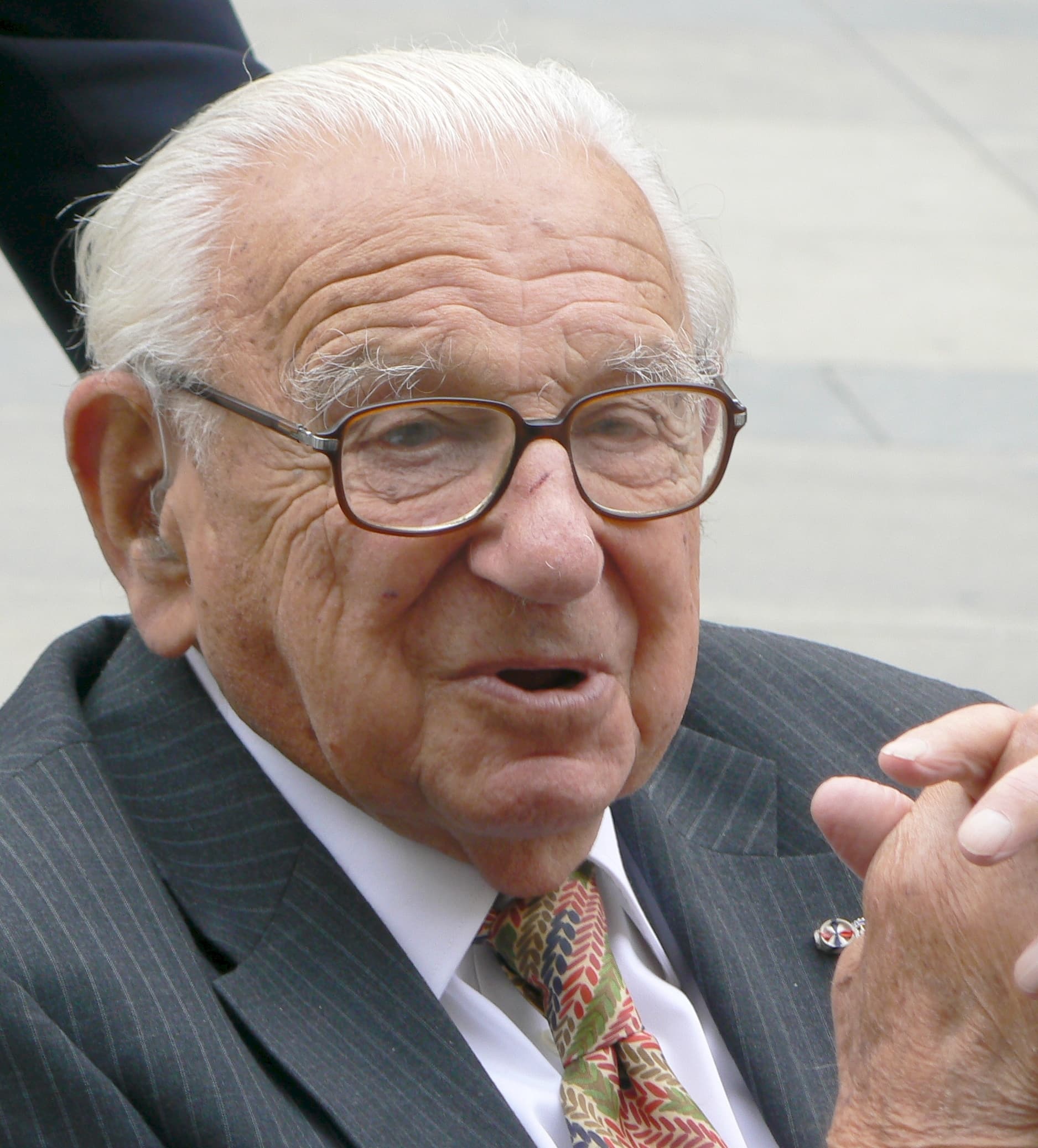
"I'm Just Your Average Next-Door Neighbor" — The Guardsman Who Pulled 11 Survivors from the Wreckage of Flight 232 and Said Nothing for 28 Years
On July 19, 1989, United Airlines Flight 232 crash-landed in Sioux City, Iowa. National Guard sergeant Carl Angelo ran into the burning wreckage without equipment and pulled eleven passengers to safety — then stayed silent about it for nearly three decades.
"I'm Just Your Average Next-Door Neighbor"
The Impossible Landing
On the afternoon of July 19, 1989, United Airlines Flight 232 — a DC-10 carrying 296 passengers and crew from Denver to Chicago — suffered a catastrophic failure. The tail-mounted number-two engine exploded, and shrapnel severed all three hydraulic lines. In an instant, the pilots lost all conventional flight controls.
What followed was 44 minutes of improvisation that would become one of the most studied events in aviation history. Captain Al Haynes, First Officer William Records, Flight Engineer Dudley Dvorak, and passenger-instructor Dennis Fitch worked together to steer the crippled aircraft using only differential engine thrust — a technique never before attempted and never trained for. They aimed for Sioux Gateway Airport in Sioux City, Iowa.
At 4:00 p.m., the plane touched down on Runway 22 at over 240 miles per hour. The right wingtip struck first, cartwheeling the aircraft across the runway and into a cornfield. The fuselage broke apart. Fire erupted. Of the 296 people aboard, 185 survived — a number that experts later called miraculous given the total loss of hydraulics.
But the miracle didn't end with the landing. It continued in the cornfield.
Into the Fire
Staff Sergeant Carl Angelo of the Iowa Army National Guard's 185th Air Transport Group was on base near the airport that afternoon. When the fireball rose above the cornfield, he didn't wait for orders. He ran.
He arrived at the crash site before most emergency vehicles. The scene was apocalyptic: jet fuel burning in rivers through the broken corn rows, twisted aluminum scattered across hundreds of yards, seats with passengers still strapped in — some upside down, some thrown clear of the fuselage. Black smoke made it nearly impossible to see or breathe.
Carl went in anyway.
He pulled an unconscious woman from a section of fuselage that was already catching fire. He carried her to a clear area, then turned around and went back. He found a child pinned under debris, freed the small body, and ran the child to safety. The heat blistered his skin. Toxic fumes seared his lungs. And still, he went back again.
By the time other rescuers reached the deepest parts of the wreckage, Carl Angelo had personally pulled eleven passengers out of the burning debris. His face and arms were burned. His lungs were damaged from inhaling jet fuel vapor. He was eventually forced to stop only when fellow guardsmen physically pulled him back.
The Silence That Lasted Decades
Carl was treated for his injuries and returned to his unit. He received commendations, but he never spoke publicly about what he had done. Not to reporters. Not to neighbors. Barely even to his own family.
He suffered from post-traumatic stress disorder for years. The nightmares came regularly — the smell of burning fuel, the screams, the weight of limp bodies in his arms. But when anyone called him a hero, he deflected.
"I'm not a hero. I was just there. Anyone would have done the same thing."
This became his refrain for twenty-eight years.
It wasn't false modesty. Carl genuinely believed that his actions were unremarkable — that any decent person, faced with the same situation, would have done exactly what he did. In his mind, the real heroes were Captain Haynes and his crew, who had kept the plane in the air long enough to give 185 people a chance.
A City's Extraordinary Response
What made the Flight 232 disaster unique in emergency-response history was not just the survival rate but the community response. Sioux City, a modest midwestern city of around 80,000 people, mobilized with stunning speed and coordination. Off-duty nurses drove themselves to hospitals. Farmers in nearby fields ran toward the fire. The local trauma center, which had conducted a mass-casualty drill just two years earlier, activated its plan flawlessly.
Hundreds of ordinary citizens became rescuers that afternoon. Carl Angelo was one of them — perhaps the one who went the farthest into the wreckage, who stayed the longest, who carried out the most survivors. But in his view, he was simply part of a community doing what communities do.
Reunion
In 2017, organizers of the Flight 232 anniversary commemoration tracked down many of the first responders from that day. They found Carl Angelo still living quietly in the Sioux City area. They invited him to meet survivors.
Jerry Schemmel, a Denver radio broadcaster who had been a passenger on Flight 232 — and who had himself crawled back into the wreckage to rescue an infant — was among those present. When he heard Carl's story and learned that this man had lived just miles away for nearly three decades without ever seeking recognition, Schemmel was overwhelmed.
"Twenty-eight years," he said. "The man who saved lives was living right next door, and he never once told anyone."
At the 30th anniversary gathering in 2019, Carl finally met three of the people he had pulled from the fire. They embraced. They wept. And Carl, true to form, repeated what he had always said:
"I'm just your average next-door neighbor."
One of the survivors, still holding onto him, answered:
"You say you're ordinary? My grandchild exists because of you."
What Carl Angelo Teaches Us
In a culture that celebrates heroes with parades and movie deals, Carl Angelo's story is a quiet rebuke. He did something extraordinary and then simply went home. He didn't write a book. He didn't give interviews. He didn't leverage his courage into a platform.
He just lived his life — haunted, yes, but convinced that what he had done was nothing more than what any neighbor would do for another.
Perhaps that's the most powerful kind of heroism: the kind that doesn't know it's heroism at all. The kind that runs into burning wreckage not for glory or recognition, but because someone in that fire needs help, and you happen to have two working legs and two working arms.
Carl Angelo had those. And he used them. And then he was quiet about it for twenty-eight years.
The 185 survivors of United Airlines Flight 232 owe their lives to many people — a brilliant flight crew, a well-prepared city, and countless unnamed rescuers. But eleven of those survivors owe their lives specifically to a National Guard sergeant who ran into a cornfield inferno with nothing but his bare hands and his unwillingness to leave anyone behind.
He is, by his own description, just your average next-door neighbor.
The rest of us know better.
This story is based on documented accounts of the United Airlines Flight 232 crash in Sioux City, Iowa, on July 19, 1989, and the community rescue response that followed.
Get new posts by email ✉️
We'll notify you when new posts are published