
March 25, 1911: Workers' Rights Born From the Flames — The Triangle Shirtwaist Factory Fire
On March 25, 1911, 146 young workers lost their lives in a garment factory fire in Manhattan, New York. This tragedy forever changed the history of American labor law and safety regulations.
History Changed Before a Locked Door
4:45 PM. A Saturday afternoon with just 15 minutes left before the end of the workday. Smoke began rising from a 10-story building in New York's Greenwich Village. On March 25, 1911, fire broke out at the Triangle Shirtwaist Factory. But when the workers rushed to the emergency exits, the doors were locked. The factory owners had padlocked them to prevent theft.
The World Inside the Factory

From the late 19th to early 20th century, at the height of the American immigration boom, New York's garment factories overflowed with cheap labor. Most of the Triangle factory workers were young female immigrants in their teens and twenties from Italy and Eastern Europe. Working more than 12 hours a day at sewing machines, they earned just a few dollars per week. Oil-soaked fabric scraps piled up in cramped, unventilated spaces, and smoking during work was commonplace.
In 1909, workers at this factory went on strike demanding better conditions, but factory owners Isaac Harris and Max Blanck firmly refused. Just two years later, the worst possible outcome arrived.
18 Minutes of Hell
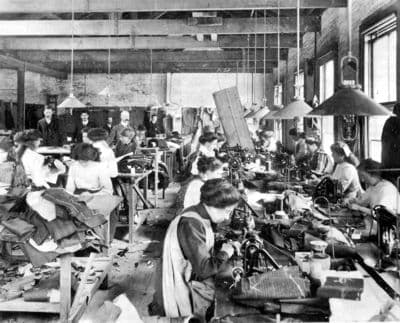
The fire started in the 8th-floor cutting room. Flames raced through piles of fabric in an instant. The elevators quickly stopped working, and the single fire escape collapsed under the weight. Unable to find an exit, young women threw themselves from the 10th-floor windows. Citizens watching from below needed several seconds just to realize that what was falling were people.
In just 18 minutes, 146 people died. The average age of the victims was 19.
The two factory owners were brought to trial but acquitted. However, 100,000 outraged New York citizens poured into the streets, and that pressure moved history. New York State swiftly passed 36 labor protection laws, including limits on working hours, mandatory fire escapes, and child labor bans. These laws later became the labor standards for the entire nation and laid the foundation for the Fair Labor Standards Act of 1938.
In Film and Television
This event has been consistently brought to the screen for over a century.
PBS's "American Experience: Triangle Fire" (2011) was produced for the fire's 100th anniversary and meticulously reconstructs those 18 minutes using survivor interview records and period photographs. It is considered the most historically faithful treatment of the subject.
"Triangle: Remembering the Fire" (2011), produced by HBO, movingly captures the social changes that followed the fire, centering on labor activist Rose Schneiderman's famous speech.
The 1979 TV movie "The Triangle Factory Fire Scandal" includes some fictional elements such as composite characters and rearranged event sequences for dramatic effect, but it vividly conveys the lives of immigrant workers at the time.
Have the Locked Doors Been Opened?
Today, March 25. Remembering that day 114 years ago is not simply an act of mourning. The 40-hour workweek, minimum wage, and safe working environments we take for granted were all won through someone's death and struggle. The locked doors of the Triangle factory were eventually opened, but the key was held not by the courts or the factory owners, but by ordinary people who took to the streets.
Get new posts by email ✉️
We'll notify you when new posts are published