The Paradox of Syria's Reconstruction: Can Syria Truly Become New After Assad?
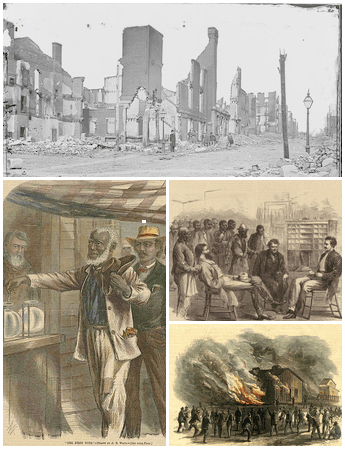
Over a year since the Assad regime collapsed in late 2024, Syria in 2026 stands at the crossroads of reconstruction. Despite international attention and support, the old shadows of sectarian conflict and power vacuum still loom.
Spring Blooming Over the Ruins — Still Cautiously
In 2015, a single photograph of young Aylan Kurdi made the entire world weep. That small body face-down on a Turkish beach imprinted on humanity that Syria's civil war was no mere "Middle Eastern conflict." Now, roughly 10 years later in March 2026, Syria finds itself in an entirely different chapter. Bashar al-Assad is gone. But has Syria truly become new?
After Assad's Collapse: The Silence That Followed
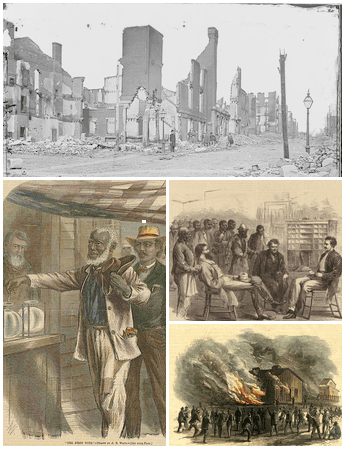
In December 2024, a rebel coalition led by Hayat Tahrir al-Sham (HTS) abruptly seized Damascus, bringing the 54-year Assad dynasty to a hollow end. From father Hafez al-Assad to son Bashar, the Syria maintained through iron-fisted rule collapsed in just ten days. Global media called it "the belated completion of the Arab Spring."
Yet Syria's reality in 2026 is complex. HTS leader Ahmed al-Sharaa (formerly Abu Mohammed al-Julani) advocates "moderate Islamic governance" and extends his hand to the international community, but the West and Arab nations remain wary. With the Kurdish-controlled northeast, the Turkish-backed northwest, and the Israeli-bombed south — Syria remains fractured into several "countries."
The Reconstruction Dilemma: Trust Matters More Than Money
The IMF and World Bank estimate Syria's reconstruction costs at a minimum of $400 billion. Saudi Arabia and the UAE have signaled investment interest, and the EU is reviewing partial sanctions relief. But the real problem is not funding.
First, the return of approximately 5 million refugees remains unresolved. Syrian refugees staying in Lebanon and Turkey want to go home, but their houses are destroyed and land ownership is unclear. Second, there is significant anxiety about whether minorities — Alawites, Christians, Kurds — can be guaranteed safety under the new regime. HTS's past record weighs it down. Third, while Russia and Iran, the former patron states, have lost influence, who will fill that void remains undecided.
The Geopolitical Chessboard: Syria Is Still a Pawn

Israel launched airstrikes on hundreds of military facilities inside Syria immediately after Assad's fall, carrying out "strategic asset removal." Turkey maintains its military presence in the north to counter Kurdish forces. The US maintains troops near eastern oil fields under the pretext of preventing an ISIS resurgence. A country that belongs to Syrians remains a game board for external powers.
Yet cautious vitality has returned to the streets of Damascus. Cafes closed for over a decade have reopened, and restoration work has begun in Aleppo's old quarter. It is a landscape of intermingled hope and anxiety.
Films and Dramas About the Middle East
Director Waad al-Kateab's documentary "For Sama" (2019) records the Syrian civil war through the eyes of a woman who lived through the Aleppo siege. The scene in which she confesses to her daughter Sama, "Why did I bring you into this war," makes us question anew the meaning of Syria's reconstruction today. Of course, this documentary was filmed from the perspective of rebel-held areas and therefore does not capture all the layers of the civil war.
"The Square" (2013), covering the Egyptian revolution, has no direct connection to Syria, but serves as a mirror for understanding today's Syria by vividly showing the clash of chaos and ideals "after dictatorship." The lesson: revolution ousts the dictator, but what comes next is harder.
The Egyptian film "Clash" (2016) tells the story of diverse individuals trapped in a police transport vehicle during political turmoil, compressing a cross-section of Middle Eastern society where sects and ideologies are entangled.
Syria's Spring Has Not Yet Arrived
History sometimes poses this question: Is the end of dictatorship the beginning of freedom? Syria stands before that question right now. Ten years since Aylan's small shoes touched the beach, the spring Syrians await has not yet fully arrived. But they are still waiting. And our remembering that wait — that may be the smallest form of solidarity we can offer.
Get new posts by email ✉️
We'll notify you when new posts are published