
April 29, 1992: The Day LA Burned — How the Rodney King Verdict Ignited America's Powder Keg
On April 29, 1992, when four white police officers were acquitted of beating Black motorist Rodney King, Los Angeles erupted into three days of fire. The event laid bare the deep-seated racism and police brutality festering within American society for the entire world to see.
The Camera Caught Everything — And They Were Still Acquitted
In March 1991, an amateur cameraman happened to record something shocking: four Los Angeles police officers kicking and striking a Black man named Rodney King 56 times with their batons as he lay on the ground. The footage aired on national television and outraged the entire country. Many people believed this time would be different. After all, the evidence was right there on camera for everyone to see.
Then, on April 29, 1992, the jury acquitted all four officers.
Within hours of the verdict, the skies over LA filled with smoke.
A City That Was Always Going to Explode

The LA riots didn't come out of nowhere. The Rodney King verdict was simply the spark that ignited decades of simmering rage in the Black community — rage that stretched all the way back to the Watts Riots of the 1960s. Black and Latino residents of South Central LA had long endured chronic police brutality, soaring unemployment, and a crumbling public education system.
The riots lasted three days. Sixty-three people lost their lives, more than 2,000 were injured, approximately 12,000 were arrested, and property damage exceeded one billion dollars. Koreatown was devastated, bringing another painful story to the surface: the tensions between the Black and Korean American communities. President George Bush ultimately deployed the National Guard and federal troops, and the city didn't begin to calm down until May 4th.
Rodney King himself appeared on television and said, "Can we all get along?" It remains one of the most heartbreaking lines in modern American history.
The Questions the Flames Left Behind
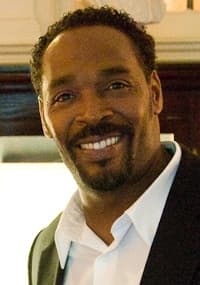
The LA riots were not simply an outbreak of violence. They were a moment that forced America to look itself in the mirror. They revealed to the world that even undeniable video evidence could be rendered powerless within the judicial system — and just how long poor communities of color had been teetering on the edge.
The events connect directly to the Black Lives Matter movement that surged following the death of George Floyd in 2020. The fact that American society is still wrestling with the same questions thirty years later is itself proof of how deep a wound April 29, 1992 left behind.
🎬 This History Through Film and Television
LA 92 (2017) is a documentary composed entirely of archival footage from the time — no narration, no reenactments, just the raw record of those days. The approach is deeply powerful, taking viewers from the original Rodney King video to the sight of Koreatown in flames, presenting unfiltered reality as it happened.
Straight Outta Compton (2015) tells the story of LA-born hip-hop group N.W.A, and the LA riots appear in the film's final act. Seen in this context, their song "F*** tha Police" can be understood anew — not as mere provocation, but as a genuine cry of anguish from a generation pushed to its limits.
HBO's Watchmen (2019) uses the superhero genre as a vehicle to directly confront the history of racial violence in America, placing the LA riots within a continuum of modern American racial conflict. It's fiction, but it cuts sharper than almost any documentary.
The Embers Still Burn
April 29, 1992 is not simply a moment from the past. The fire that raged that day has never truly gone out — it has only changed shape, and it continues to smolder throughout American society. History doesn't repeat itself, but it often rhymes. Breaking that cycle is exactly why we must remember what happened on that day.
Get new posts by email ✉️
We'll notify you when new posts are published