Breaking the Monopoly — The Sherman Antitrust Act (1890)
In 1890, Congress passed America's first law against companies "growing too large." For its first 20 years, it was used not against corporations — but against labor unions.
The Age of Trusts
By 1890, America was a paradise for trusts.
- Standard Oil: 91% of oil refining
- Predecessors of U.S. Steel: dominant in steel
- American Sugar Refining: 98% of sugar
- American Tobacco: 90% of tobacco
A handful of capitalists controlled entire industries. They set prices, set wages, set politics.
Farmers and workers were furious. The Populist movement exploded. Congress had to do something.
A Short, Vague Sentence
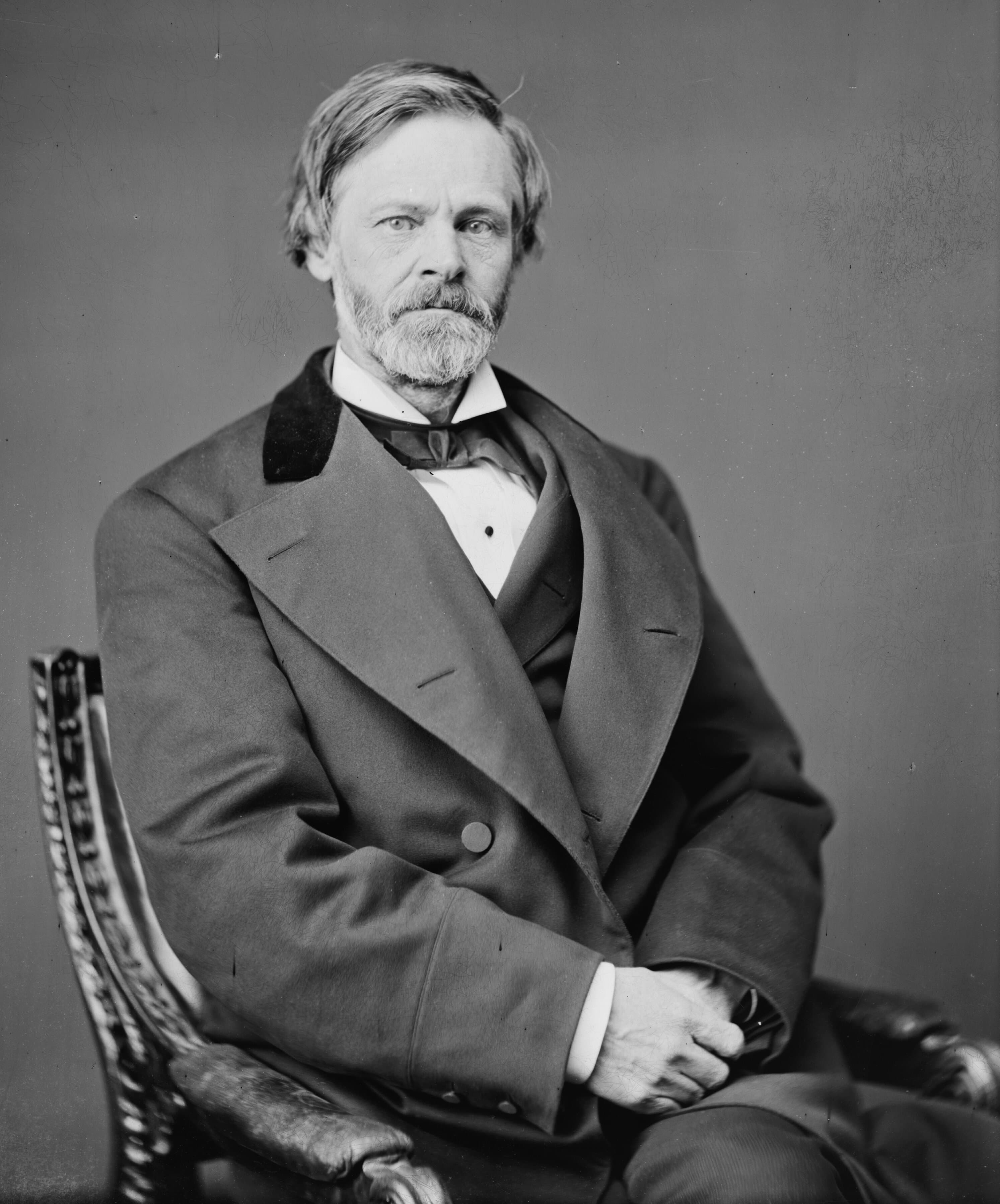
Senator John Sherman of Ohio introduced the bill.
Its core provision was a single sentence.
"Every contract, combination ... or conspiracy, in restraint of trade or commerce among the several States, or with foreign nations, is hereby declared illegal."
Too short. Too vague. What counts as "restraint"? Who decides?
Senate vote: 51–1. House: 242–0. Nearly unanimous.
There was a hidden reason. Many lawmakers passed it believing "the courts will gut it anyway."
Catching Unions, Not Corporations
The law was passed. But who did it actually catch?
1894, the Pullman Strike. The federal government applied the Sherman Act to crush the railway union. Workers organizing was interpreted as "restraint of trade."
1908, the Danbury Hatters' Case. A boycotting union was found in violation. The union itself paid the damages.
In the law's first 18 years:
- Suits against trusts: 18
- Suits against unions: 6, all union losses
The law did the opposite of what it was meant to do.
Theodore Roosevelt — The Trust Buster
- President McKinley was assassinated. Vice President Theodore Roosevelt became president.
Age 42. The youngest president in American history.
He turned the Sherman Act into a weapon.
- 1904, Northern Securities — J.P. Morgan's railroad trust, broken up by Supreme Court order
- 1906, Pure Food and Drug Act, employee work-hour laws, and other progressive legislation
- During his presidency: 44 antitrust lawsuits
This is why he was called "the Trust Buster."
1911 — Standard Oil Dissolved
Under Roosevelt's successor, President Taft. May 1911.
The Supreme Court ordered Standard Oil split into 34 separate companies.
That same year, American Tobacco was broken into four.
Twenty-one years after the Sherman Act passed, the law finally did what it was written for.
Still Alive Today
The Sherman Act remains fully active.
- 1982: AT&T forced breakup
- 2000: Microsoft antitrust case
- 2020: investigations into Google, Facebook, Amazon, Apple
A single sentence, written by a Connecticut-trained Ohio senator 130 years ago, still decides the fate of Big Tech.
Enacted: July 2, 1890 | Author: Sen. John Sherman (Ohio) | First 20 years' target: labor unions | Real enforcement begins: 1901 (Theodore Roosevelt) | First major breakup: 1911 (Standard Oil)
Get new posts by email ✉️
We'll notify you when new posts are published