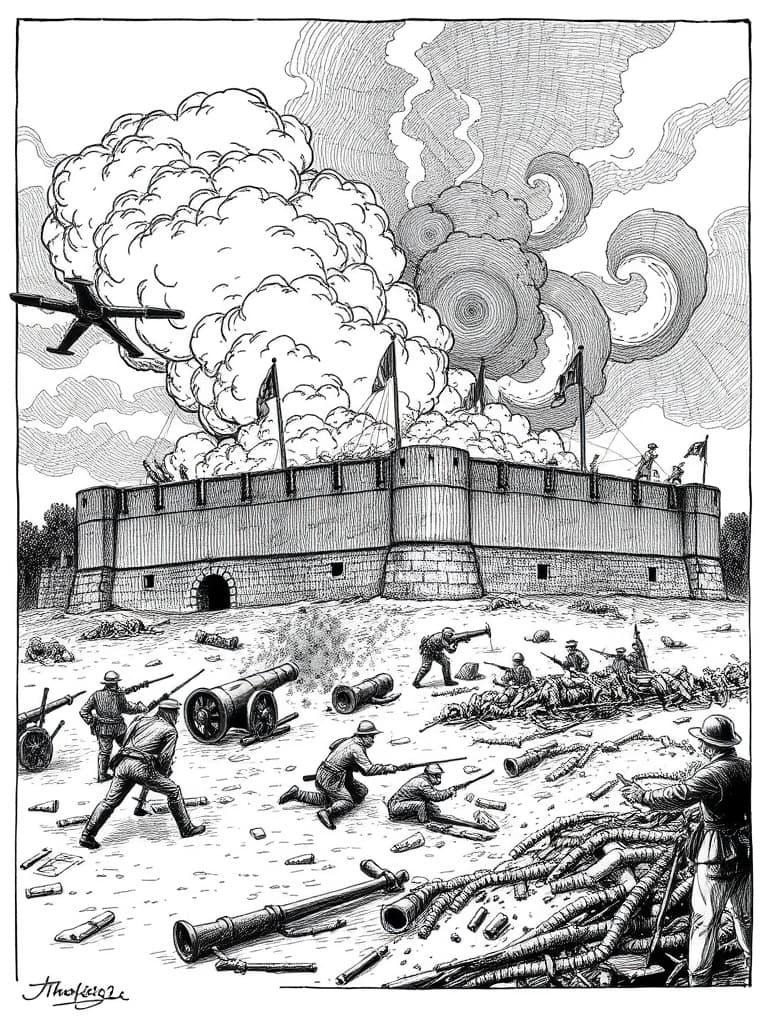
Bleeding Kansas — When Slavery Crossed the Border (1854)
One law passed Congress. Pro-slavery and anti-slavery settlers rushed into Kansas with guns. The Civil War didn't start in 1861. It started in 1854.
One Law
In May 1854, Congress passed the Kansas-Nebraska Act.
The core provision was simple: new territories would decide whether to allow slavery by popular vote.
The Missouri Compromise line that had held for 30 years was dissolved. The door opened for slavery to expand northward.
The Rush
Kansas became a battlefield.
Pro-slavery forces crossed the border from Missouri. Abolitionists organized settlers from New England and sent them west.
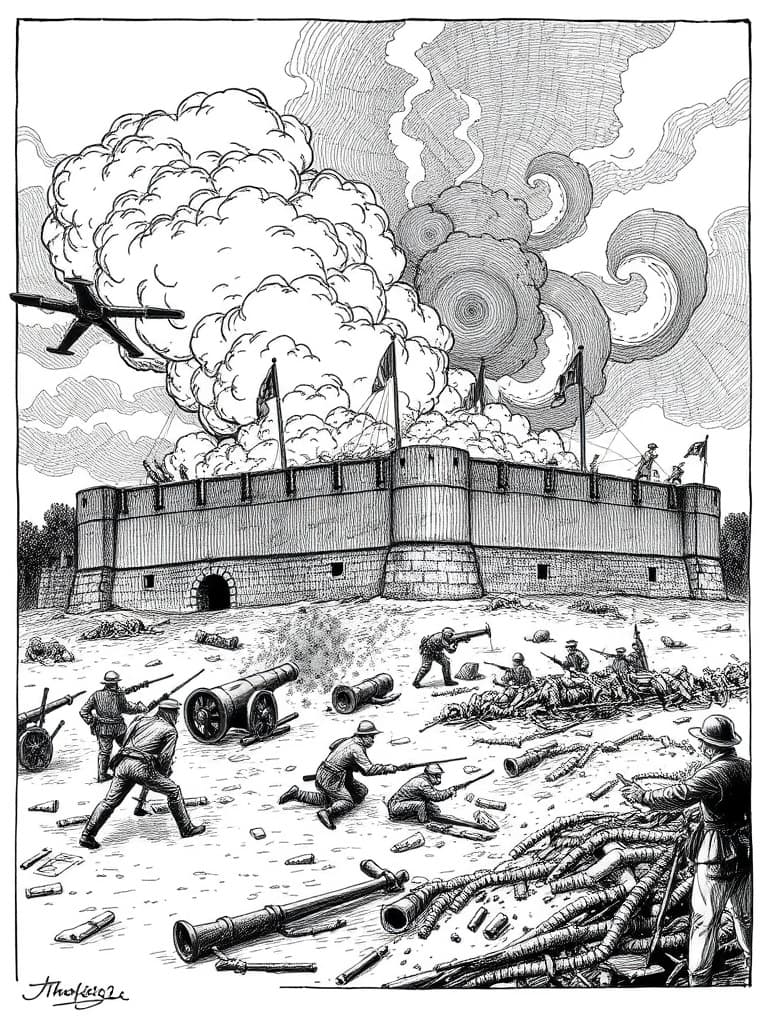
Both sides brought guns. From 1855 to 1856, civilian massacres and village burnings spread across Kansas.
The Pottawatomie Massacre
In the spring of 1856, John Brown was in Kansas.
When news reached him that pro-slavery forces had burned the town of Lawrence, Brown rode to Pottawatomie Creek with four of his sons.
They dragged five pro-slavery settlers from their homes and killed them with broadswords. It was revenge. And it was the beginning of something larger.
Blood in Washington Too
That same month, violence erupted in the Senate chamber.
Massachusetts Senator Charles Sumner delivered a scorching speech condemning slavery. Two days later, South Carolina Congressman Preston Brooks entered the Senate floor and beat Sumner with a metal-tipped cane.
Sumner couldn't return to the Senate for three years. Massachusetts left his seat empty — as a statement.
Two Governments
Kansas ended up with two competing territorial governments. One pro-slavery, one free.
The federal government couldn't recognize either. The civil war had started five years early.
When war was officially declared in 1861, Kansas had already been fighting for seven years.
Kansas-Nebraska Act: May 1854 | Lawrence Sacking: May 21, 1856 | Pottawatomie Massacre: May 24, 1856 | Casualties: ~55
Get new posts by email ✉️
We'll notify you when new posts are published